
Matches · schedule

Today, this week, this weekend — the matches our editors are watching.

A match is more than two rosters and a start time. Our schedule carries the broadcast window, the round format, the regional rights holder and the editorial weight — so you can plan a viewing week, not just bookmark a single fixture.

Today
12 matches
This week
67 fixtures
Weekend
24 broadcasts
Format coverage
Bo3 / Bo5 / Bo7

Today

Twelve matches across the five circuits today, weighted toward APAC and EU-W broadcasts. The editorial centre of gravity sits on the Northern Showdown quarterfinal between North Conference and the Wildcard East roster — a rematch of last quarter's lower-bracket final. Secondary weight on the Continental Cup group stage, where the format dictates that three of the four rosters advance.

Today's broadcast windows

  • 14:00 UTC — Northern Showdown · QF-A (NA-W)
  • 16:00 UTC — Continental Cup · Group B (EU-W)
  • 17:30 UTC — Northern Showdown · QF-B (NA-W)
  • 19:00 UTC — APAC Battle Open · Qualifier (APAC)
  • 21:00 UTC — Mountain Series · QF (LATAM)

This week

Seventy fixtures across the seven-day window. The desk's editorial focus is on the four Tier S playoff matches — these are the broadcasts that determine the bracket and seed the next quarter. Tier A regional splits and Tier B invitationals fill the secondary schedule; open qualifiers and showmatches are noted in the daily but rarely anchor the desk.

Format reading

Most Tier S matches run best-of-five. Tier A regional splits often run best-of-three until the semifinal, then best-of-five. Open qualifiers are typically best-of-three single-elim throughout. The format shapes how the desk writes about a match — a best-of-five demands more strategic context than a best-of-three.

Where a circuit introduces a non-standard format (a play-in gauntlet, a double-elim group stage), the format is noted on the match entry.

Editorial photograph of teams shaking hands after a five-versus-five esports match

Broadcast windows

Broadcast windows are listed in UTC. Where a regional broadcast carries a partner-only rebroadcast, the match entry notes the regional restriction. Our editors do not list unverified mirrors — readers looking for a region-locked stream are pointed to the official partner where one exists.

Editorial photograph supporting the pre-match preparation discussion showing a player at a desk before a match
Match schedule · editorial source · pre-match preparation

Pre-shows open sixty minutes before the marquee match; analyst desks carry the form charts and prior head-to-head notes. The desk recommends reading the analyst pre-show first, then watching the match, then reading the post-match recap — that is the editorial arc a Tier S broadcast is designed to support.

Reading a prediction

Editorial coverage does not produce predictions. Where a panel picks a favourite, that pick is presented as a panel view, not a desk view. The desk reports form, head-to-head, map pool and patch context — readers combine those to make their own read.
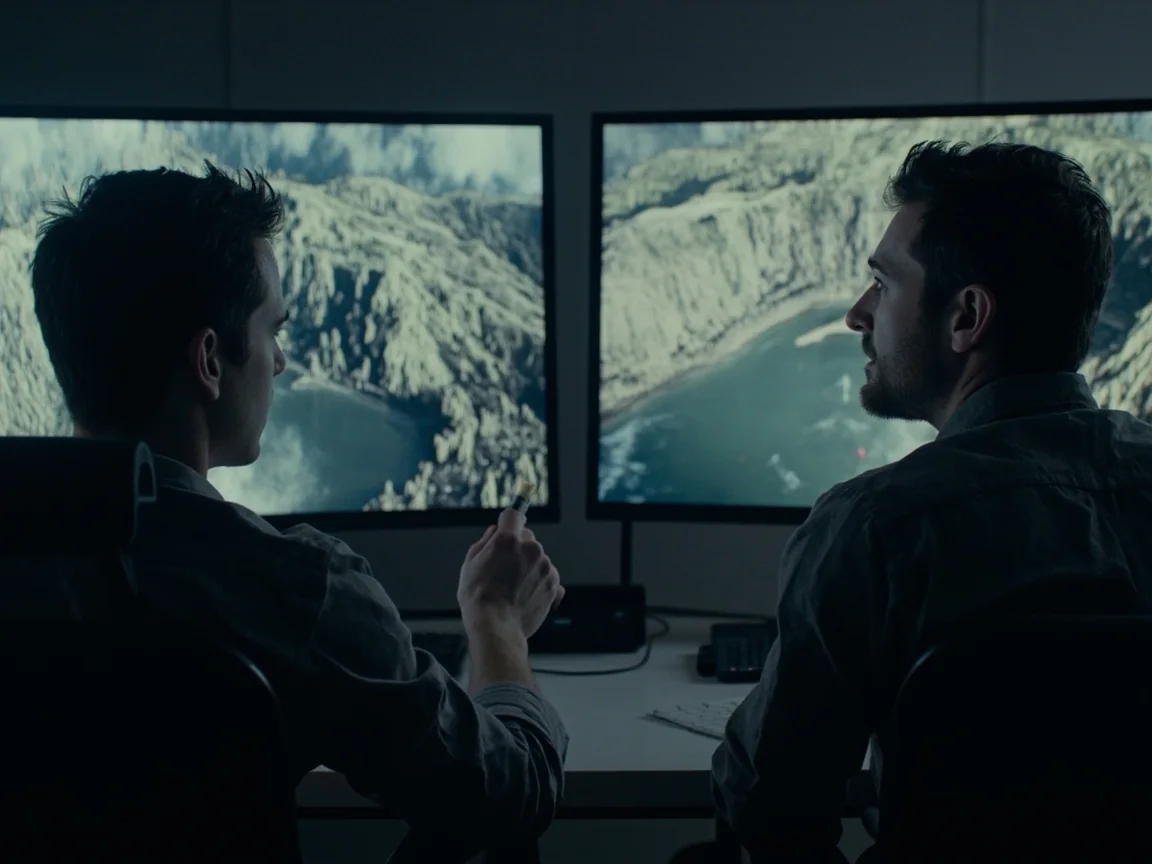
Editorial photograph supporting the VOD review discussion showing a review session with monitor
Match schedule · editorial source · VOD review session

This is a deliberate choice. Prediction desks are entertainment; editorial desks are reportage. We try to be the latter.

Frequently asked

How is the schedule updated?

Hourly during broadcast windows; daily otherwise. Rescheduled matches carry a "moved" badge.

Editorial photograph supporting the post-match discussion showing a player hand-off at the close of a roster move window
Match schedule · editorial source · post-match sportsmanship

What happens if a match is postponed?

The entry moves to the new date with a note explaining the original schedule and the postponement reason.

Why is a match listed as "TBD"?

Where the bracket has not yet resolved (a winner-takes-all playoff or a qualifier), the entry shows the round and the source of the upcoming decision rather than guessing the roster.

How the desk maintains the schedule

The schedule is published as a single HTML page with one row per fixture. Behind the page, the desk maintains three supporting datasets: the broadcast window per region (which carries the rights-holder and any exclusivity notes), the format reading per fixture (which carries the round count, the side selection and any deviation from the standard), and the editorial weight per fixture (which carries the desk's broadcast desk notes).

The three datasets are merged at publication. When the desk refreshes the page, it pulls the latest from each dataset, merges by fixture ID and re-renders the HTML. The merge step is mechanical; the editorial judgement lives in the datasets themselves. Where a fixture has an unusual format (a play-in gauntlet, a promotion-relegation structure), the dataset notes the deviation and the rendering shows it.

Broadcast windows and time zones

All broadcast windows are published in UTC. The desk's choice of UTC is editorial rather than technical — every reader can convert UTC to their local time, but no reader can convert "Eastern" or "Pacific" to their local time without first knowing which coast. UTC is the only time zone that works for a global readership.

Where a regional broadcast opens earlier or closes later than the editorial match window (pre-show analysis, post-match desk recap), the desk notes the broader window on the schedule. A reader who wants to follow the full editorial arc — pre-show, match, recap — should plan for the broader window rather than just the match itself.

What the desk will and will not say about a match

The desk will report the fixtures, the broadcast windows, the formats, the rights-holder notes and the editorial weight. The desk will not report a prediction. The desk will not pick a favourite. The desk will not run a "match of the day" column that pretends to know the result.

The reason is editorial discipline. A prediction is entertainment; a desk is reportage. Where the desk publishes a form chart, a head-to-head read and a patch context, a reader has what they need to form their own read. Where the desk publishes a pick, the reader is steered rather than informed.

The desk will note where a panel view exists — a separate group of analysts who publish picks elsewhere — and will link to that view where it adds editorial context. The desk itself does not publish picks.

Reading a fixture row

Each row in the schedule carries the same six fields: fixture, region, format, broadcast, broadcast partner, status. The fixture is two rosters and a start time; the region is the broadcast region; the format is the round count; the broadcast is the UTC window; the broadcast partner is the rights-holder; the status is live, up next, concluded, or moved.

Where a row carries a "moved" status, the row keeps its original fixture identity and notes the new date. Where a row is in a "TBD" state (a winner-takes-all qualifier), the row shows the round and the source of the upcoming decision rather than guessing the roster.

Reading a regional schedule

Regional schedules overlap. A reader who follows two regions will see fixtures from both on the same day. The desk's editorial weight helps here — a Tier S fixture in your home region is the centre of gravity, and a Tier A fixture in a neighbouring region is the secondary weight. Tier B and Tier C fixtures are noted but rarely anchor the desk.

The desk's regional schedule is built from organiser disclosures. Where an organiser has not published a regional schedule, the desk does not estimate. A reader who wants a regional schedule that is not here should follow the organiser's own disclosure.

What the desk publishes during a live broadcast

During a live broadcast, the desk does not publish in-flight commentary. The desk publishes pre-show notes before the match, then publishes the post-match recap after the broadcast concludes. The middle of the match is the reader's time — they are watching the broadcast, not the desk.

Where a broadcast experiences a delay, postponement or technical issue, the desk notes the change on the schedule and on the relevant team page. The desk does not speculate on the cause; the desk notes the change and waits for the organiser's disclosure.

Frequently asked — continued

Where can I see past results?

Where the organiser publishes results, the desk notes them on the schedule row. Where the organiser does not publish results, the desk notes the gap rather than reproducing unofficial trackers.

How do I find a specific roster's fixtures?

Use the team page as the anchor; the schedule links back to the team page when a roster is named.

Can I subscribe to a regional feed?

The desk is exploring per-region RSS extensions. Until then, readers should bookmark the schedule page and filter by region manually.

Tournament rewards active Editorial coverage · 18+ where jurisdiction applies
PLAY NOW